五度易链产业数字化管理平台
3D打印农场“春耕”忙

位于深圳市光明区的华速科技有限公司生产车间内,5000台不同系列的拓竹3D打印机正在有序运转,一批批新奇的3D打印玩具不断下线。按照业内习惯,工作人员称车间为"农场","华速3D打印农场"由此而来。 "目前,农场正在紧锣密鼓部署新产能,将有5000台拓竹3D打印机新增上线,再加上在江西萍乡布局的5000台3D打印机,2026年第一季度,我们的总数有望达到15000台,成为全球规模最大的3D打印农场。"华速3D打印农场创始人兼CEO李建向上海证券时报记者介绍。 D24845794010079018650_w1080h810.jpg (139.85 KB, 下载次数: 0) 下载附件 保存到相册 7 分钟前 上传 AI赋能3D打印 "我们农场的跨境电商订单量占比接近50%,主要销往北美、欧洲,海外消费者对3D打印玩具很感兴趣。"李建表示。 3D打印玩具何以走红?李建说:"在没有3D打印农场之前,3D打印玩具其实很少见,这相当于玩具的一种新生态。正是因为3D打印技术快速发展,包括打印精度提高、速度提升,逐渐解决了传统玩具制造的三大痛点,3D打印玩具才得以流行。" 具体而言,3D打印技术能让玩具在铰链结构等复杂结构方面实现一体成型,支持玩具颜色多样化,并且对爆款玩具产品响应速度更快。 "我们农场的FDM(熔融沉积成型)技术在国内处于领先水平,并且设备规模优势明显,能在短时间内进行大批量生产,构筑了产能壁垒。"李建表示,除具备可观的设备规模之外,AI生成与设计工具也为华速3D打印农场赋能,助推公司从代工逐步转向原创的模式转变。 走进华速3D打印农场设计部门,鱼化龙、恐龙、解压小鸡等造型各异的3D打印玩具琳琅满目,产品设计师们正对着电脑屏幕构思制图、酝酿新产品。据介绍,华速3D打印农场目前主要生产原创玩具产品,占农场总产品比例超过60%。 李建以农场原创的新年"福马"挂饰为例解释道:"今年是马年,这个挂饰的'福'字底下有一匹马的图案,寓意着马上有福。设计师只需提供图案,即可运用AI工具生成3D数据模型。如果有需要修改之处,也可以及时进行调整。更重要的是,设计师无需精通专业的3D软件,只要借助AI工具就能获得各种各样有趣的模型,大幅提高了产品设计效率。" 从"拼产能"到"拼创意" 面对业内爆款产品生命周期短、同质化竞争激烈的问题,华速3D打印农场采取了两大策略。李建表示:"一方面,公司总部今年组建了设计师团队,将自主开发更多有趣的3D打印玩具模型,并通过短视频等方式进行传播推广。另一方面,我们也会物色更多外部的优秀设计师,争取与其进行合作,获得IP授权制作玩具产品。" 汇纳科技潮玩产品负责人陈剑表示:"我们在设计过程中考虑到同质化竞争较多的问题,所以在部分玩具产品的造型中特意增加了国风元素。另外,通过不同的玩法增加趣味性、延长产品寿命,例如,3D打印玩具可换表情、可换配件、可换装,推出零件盲盒,让多个产品之间可进行合体,支持对玩具进行二次创作、涂色、改造等。" 展望2026年全年,李建认为行业将出现三类趋势:"一是3D打印玩具的细分品类进一步增多;二是3D打印技术在工业领域的应用面会越来越广;三是在FDM技术适用的细分领域,例如3D打印鞋子、灯饰、球类体育用品等,相关应用将不断增多。"2026年,华速3D打印农场还计划生产适用于无人机、机器人等领域的工业零件产品。 放眼华速3D打印农场所在的深圳市,以创想三维、拓竹科技、纵维立方、智能派等为代表的3D"深圳军团",目前已经拿下了全球入门级3D打印机市场的九成以上份额。 (来源:上海证券报)

来源:南极熊3D打印发布时间:2026-03-05
Another ‘Twist’ on Subsea Cable Repair: Developments in Europe and what role, if any, for Ireland

Discussions on subsea telecommunications cables have largely centred on cable damage, with far less attention paid to the vital repair ecosystem that sustains resilience, often under extremely challenging conditions. Yet, Europe is sharpening its focus on maintenance and repair just as the subsea cable industry itself questions whether current maintenance arrangements are fit for purpose. This paper examines recent industry analysis alongside evolving EU and national policy debates, with particular focus on Ireland. It outlines emerging trends and challenges, and the geopolitical pressures shaping responses by governments and industry. The paper highlights practical options for Ireland to strengthen cooperation, policy alignment, and repair capacity. Its ultimate aim is to catalyse informed dialogue on the cable repair eco-system and how it can serve economic, security and public interests alike.

来源:IIEA The Institute of International & European Affairs发布时间:2026-03-05
Raisina Dialogue 2026

The Raisina Dialogue is India’s flagship conference on geopolitics and geo-economics, committed to addressing the most challenging issues facing the international community. 2. The 11th edition of the Raisina Dialogue will be held from 5-7 March, 2026. 3. Prime Minister Shri Narendra Modi will inaugurate the Dialogue on 5 March. President of the Republic of Finland, H.E. Dr. Alexander Stubb, will join the inaugural session as the Chief Guest, and deliver the keynote address. 4. The 11th Raisina Dialogue will witness participation of representatives from 110 countries including Ministers, former Heads of State and Heads of Government, Members of Parliament, Military Commanders, Captains of Industry, Technology Leaders, Academics, Journalists, Scholars on Strategic Affairs, Experts from leading Think Tanks, and Youth. 5. The theme of the 2026 edition is "Saṁskāra – Assertion, Accommodation, Advancement”. Over the course of three days, decision makers and thought leaders of the world will engage each other across conversations in various formats, over six thematic pillars: (i) Contested Frontiers: Power, Polarity, and Periphery; (ii) Repairing the Commons: New Groups, New Guardians, New Avenues; (iii) White Whale: The Pursuit of Agenda 2030; (iv) The Eleventh Hour: Climate, Conflict, and the Cost of Delay; (v) Tomorrowland: Towards a Tech-topia; (vi) Trade in the Time of Tariffs: Recovery, Resilience, Reinvention 6. Around 2700 participants from 110 countries will be joining the Dialogue in-person, and the proceedings will be viewed by millions across the world on various digital platforms. 7. Further details may be seen at https://raisinadialogue.org/raisina-2026. New Delhi March 5, 2026

来源:India - Ministry of External Affairs发布时间:2026-03-05
Uncertainty over Government policies damaging London

The London Assembly has recognised constant uncertainty on Government policy is having a damaging impact on London, its economy and its investment prospects. Uncertainty on tax policy and family finances is also impacting on Londoners already worrying about the cost of living. The Assembly notes 18 U-turns on government policies in 20 months and has today called on the Mayor to raise concerns with his counterparts in Government, so that Londoners can have certainty on decisions affecting their everyday lives. Susan Hall AM, who proposed the motion, said: "I am pleased the Assembly has supported my motion recognising the many numerous u-turns that the Government has successfully completed - it is important to go beyond partisanship in order to recognise the records which Governments set. “But we must also recognise the damage these u-turns are having on London by leaving businesses, voters, and authorities uncertain about how to plan ahead." The full text of the motion is: This Assembly wishes to further congratulate the Government on its impressive commitment to policy flexibility, as demonstrated by its notable string of U-turns since coming into office. This Assembly notes these 18 U-turns in the space of just 20 months, including: axing the introducing of digital ID; removing business rates relief for pubs; introducing the family farms tax; lifting the two-child benefit cap; income tax hikes; national insurance hikes; abandoning welfare savings; axing winter fuel payments; employment rights; compensation for WASPI women; a national inquiry into grooming gangs; the proscription of the IRGC; comments surrounding the 'Island of Strangers'; a ban on social media for under-16s; the publishing of vetting related to Peter Mandelson's appointment as the US ambassador; reversing the cancellation of local elections (costing the taxpayer at least £64 million); pausing the Chagos 'Surrender Bill' This Assembly recognises, however, that this constant uncertainty on Government policy is having a damaging impact on London, its economy and its investment prospects, and uncertainty on tax policy and family finances is having a damaging impact on Londoners already worrying about the cost of living. This Assembly, therefore, calls on the Mayor to raise these concerns with his counterparts in Government, so that Londoners can have certainty on decisions affecting their everyday lives. Since the tabling of this motion, this Assembly notes that the Government have made a further 18th U-turn on the increase to the youth minimum wage following further damage to jobs, adding to the growing list of policy reversals outlined above.” The meeting can be viewed via webcast or YouTube. Follow us @LondonAssembly.

来源:London发布时间:2026-03-05
Government urged to reverse National Insurance hike and tackle youth unemployment

The London Assembly has today called on the Government to reverse the National Insurance increase and urgently produce a plan to tackle rising youth unemployment. The Assembly noted that unemployment has risen to 5.2 per cent, the highest level in five years, and linked this to the decision to raise National Insurance, which increased employment costs at a time of weak growth. It also highlighted that youth unemployment has climbed to 16.1 per cent, with young people and students disproportionately affected as employers cut back on part-time and entry-level roles, particularly across London. Neil Garratt AM, who proposed the motion, said: “Unemployment is rising and youth unemployment especially at a time when Londoners are already struggling - and this has been caused by the economic policies pursued by the Government at successive budgets. “I hope that the Government recognises the impact that their national insurance hike is having, and reverses it at the first opportunity - and that the Mayor of London listens to the Assembly’s decision today and lobbies for London.” The full text of the motion is: “This Assembly deeply regrets the current state of the UK economy following the consequences of two deeply damaging budgets delivered by the Chancellor (The Rt Hon Rachel Reeves MP). This Assembly notes that unemployment in the UK has risen to 5.2 per cent, its highest level in five years. This increase is clearly linked to the Government’s decision to impose a Jobs Tax, increasing the cost of employment for businesses at a time of weak growth. This Assembly further notes that youth unemployment has risen sharply to 16.1 per cent, with young people and students disproportionately affected as employers cut back on part-time and entry-level roles, and that the National Insurance hike has particularly undermined flexible, part-time and student employment across London’s economy. This Assembly recognises that the combined effect of rising unemployment, persistently high inflation, and economic stagnation has left businesses, families, and communities across London worse off, despite repeated promises from the Government that Londoners would feel better off. This Assembly therefore calls on the Government to: Reverse the National Insurance hike; Urgently produce a plan to tackle rapidly growing youth unemployment and get more young people into work. This Assembly also calls on the Mayor to lobby Government to this effect.” The meeting can be viewed via webcast or YouTube. Follow us @LondonAssembly.

来源:London发布时间:2026-03-05
政府工作报告解读丨 “中小学春秋假”首次写入报告,解决孩子与家长休假“时差”

界面新闻记者 | 张倩楠界面新闻编辑 | 刘海川 2026年3月5日上午,十四届全国人大四次会议开幕,政府工作报告提到,支持有条件的地方推广中小学春秋假,落实职工带薪错峰休假制度。这是“中小学春秋假”首次写入政府工作报告。 “春秋假”春秋假是指在保证全年总教学时长不变的前提下,在春季和秋季分别增设一个短假期。早在上世纪,农村中小学就有“农忙假”,这是春秋假的前身。后来随着双休制度的全面推行,才逐步退出历史舞台。近年来,“春秋假”重新成为热点话题,多地也陆续开始探索实施春秋假。 从2026年春季学期开始,江苏、浙江、四川等多个省份部分地区将正式实施中小学春秋假制度。从已公布的方案看,春秋假大多与周末或者节假日安排在一起形成连休。 “春秋假能为学生提供阶段性休息,缓解长时间连续学习的压力,有助于劳逸结合和身心健康 。” 湖北恩施州恩施市小学老师严阳告诉界面新闻。2014年,恩施市开始在义务教育学校尝试放春假。2017年起,恩施州决定在全州义务教育学校放春假和秋假,每次时长2至3天,原则上与法定节假日或双休日衔接。 严阳说,在春秋假中,学校鼓励学生走出课堂,利用春秋两季的宜人气候亲近自然、参与社会实践,比如农耕体验、科技活动,在真实场景中学习,这是课堂教育无法替代的。另一方面,春秋假为家庭提供了在非高峰时段出游的机会,有助于提升亲子陪伴质量,增进家庭亲密关系。 然而,春秋假落地的过程中仍然存在难题,其中最突出的就是孩子与家长“有时差”。严阳向界面新闻介绍,班级里一些孩子是双职工家庭,孩子放春秋假,家长却难以请假陪同,导致孩子无人看管。此外,在乡村学校中,孩子的“休假难”问题突出,非过年过节和寒暑假时,在外务工父母难以返乡陪伴,乡村公共文化服务机构匮乏,导致春秋假“有假无休”。 为解决上述突出问题,今年政府明确提出将中小学春秋假与家长带薪休假结合在一起推行。“这有利于推动带薪休假制度落实,并带动文旅消费。” 北京大学政府管理学院教授马亮告诉界面新闻,“错峰”二字很重要,因为这样就不是单纯的节假日,有利于错峰出行,避免扎堆旅游带来的社会代价过大和旅游体验不佳。 事实上,春秋假也成为社会消费的新引擎。在今年的政府工作报告中,“支持有条件的地方推广中小学春秋假,落实职工带薪错峰休假制度”属于深入实施提振消费专项行动的一项具体举措,被放在“着力建设强大国内市场”中,位于2026年政府工作任务的第一项。 马亮认为,单独推动中小学春秋假或家长带薪休假,都可能面临难以奏效的问题。而将二者联动起来推进,则可以形成制度推动与政策执行的倍增效应。 同时,马亮表示,还是需要建立带薪休假监督机制,特别关注怎么保障员工的合法劳动权益。税务部门对偷漏税的惩罚严厉,所以企业不敢越雷池一步。但是,不执行带薪休假来侵害劳动权益,等于变相偷漏税,却得不到应有的惩戒。要严肃劳动权益保障法律法规的权威性,鼓励和保护劳动者维护自身权益,提升劳动权益保障部门的执法能力,使企业不敢违反相关法律法规。当企业发现违规的成本高不可及时,也就不会去考虑违规,而是正视员工权益。

来源:界面新闻张倩楠ZQN发布时间:2026-03-05
界面晚报 | 我国今年GDP增长目标为4.5%-5%;中方将派特使于近期访问中东

2026年政府工作报告出炉!GDP增长目标4.5%-5% 政府工作报告还提到,今年城镇调查失业率目标在5.5%左右,城镇新增就业1200万人以上;居民消费价格涨幅2%左右;居民收入增长和经济增长同步;国际收支基本平衡;粮食产量1.4万亿斤左右;单位国内生产总值二氧化碳排放降低3.8%左右。详情点击>> 政府工作报告解读丨托育服务法呼之欲出,生育友好社会迎来制度性补位 中国政法大学法学院副院长张力参与了托育服务法起草工作。他向界面新闻介绍,在此次立法草案中,最受行业关注的条款之一便是确立了“托育师资格考试”制度,这将是全国统一考试,由国家统一组织,卫健部门和人社部门共同推进,这一未来出来的新规对行业和家庭意义重大。详情点击>> “十五五”规划纲要草案提出“稳步扩大中等收入群体规模”,如何实现? 措施包括在全面推进乡村振兴中拓宽农民增收渠道。锚定“三农”工作重心,推动乡村产业、人才、文化、生态、组织“五大振兴”协同发展,培育乡村旅游、农村电商等富民产业。搭建跨区域劳务协作平台,开展订单式技能培训,引导农村劳动力有序向非农产业和城镇转移。同时,深化户籍制度改革,有序放宽城镇落户限制,稳步推进进城落户人员平等享有基本公共服务全覆盖。均衡基本公共服务供给,消除群体发展后顾之忧。详情点击>> 政府工作报告解读 | 住房领域两大关注点:初婚初育家庭和公积金改革 分析人士指出,加强初婚初育家庭住房保障不仅是一项住房政策,有利于促进房地产市场止跌回稳,也是一项促消费政策,代表促消费从补贴商品消费转向更广泛的需求激活。而公积金制度改革则是时隔十年再次被写入政府工作报告,在楼市处于新旧动能转换阶段的当下,超过10万亿元的存量公积金有望通过制度改革发挥更大的作用。详情点击>> 政府工作报告部署未来产业,建立“投入增长机制” 政府工作报告提到,培育壮大新兴产业和未来产业。实施产业创新工程,鼓励央企国企带头开放应用场景,打造集成电路、航空航天、生物医药、低空经济等新兴支柱产业。建立未来产业投入增长和风险分担机制,培育发展未来能源、量子科技、具身智能、脑机接口、6G等未来产业。详情点击>> 外交部:中方将派特使于近期访问中东地区,为推动紧张局势降温作出积极努力 中方认为,战争和武力无法从根本上解决问题,对话谈判才是解决问题的正确路径,应该坚持通过政治外交手段化解矛盾分歧。中方将继续同包括冲突当事方在内的有关各方保持沟通,加强斡旋,凝聚共识。中方将派中国政府中东问题特使于近期访问中东地区,为推动紧张局势降温作出积极努力。详情点击>> 央行:3月6日将开展8000亿元买断式逆回购操作 央行公告,为保持银行体系流动性充裕,2026年3月6日,中国人民银行将以固定数量、利率招标、多重价位中标方式开展8000亿元买断式逆回购操作,期限为3个月(91天)。详情点击>> 马斯克再登顶胡润全球富豪榜,张一鸣财富5500亿坐稳中国首富 人工智能(AI)浪潮成为本年度最强劲的财富创造引擎。榜单上有114位十亿美金企业家来自AI公司,其中46位是新上榜者,AI成为创造新富豪的最大来源。英伟达创始人黄仁勋的财富增长34%,达到1.2万亿元人民币,首次跻身全球前十,排名第九。详情点击>> 美对全球15%关税或本周生效,非法退税程序或加速推进 一家上诉法院将此前导致大规模关税被裁定无效的多起诉讼发回至国际贸易法院。后者有权裁决退还进口商缴纳的相关税款。进口商此前已请求国际贸易法院,一旦案件重新归其管辖,应命令特朗普政府立即着手制定退税程序。详情点击>>

来源:界面新闻界面综合发布时间:2026-03-05
政府工作报告解读|稳妥有序推进职业伤害保障全覆盖,需继续保持试点方案多样性

界面新闻记者 | 张旭界面新闻编辑 | 刘海川 2026年3月5日上午,十四届全国人大四次会议在北京人民大会堂开幕,国务院总理李强作政府工作报告时指出,出台支持灵活就业人员、新就业形态人员参加职工保险的政策。此外,扩大失业、工伤保险覆盖面,稳妥有序推进职业伤害保障试点扩围,健全社保关系转移接续政策。 界面新闻注意到,此前“十五五”规划建议稿中也提到, 扩大失业、工伤保险覆盖面,建立健全职业伤害保障制度。完善社保关系转移接续政策,提高灵活就业人员、农民工、新就业形态人员参保率。 “灵活就业人员权益保障”始终是国家持续关注的民生话题。目前,我国灵活就业群体已超2亿人,约占全国就业人员的1/4以上,由此看出,灵活就业和新就业形态已成为我国劳动者就业增收的重要渠道。且未来随着平台经济不断发展,灵活就业群体规模还将持续扩大。 但我们需意识到:对于灵活就业者,尤其是外卖骑手而言,他们与平台之间存在“层层转包”的非正规雇佣关系,正因如此,劳动关系认定的复杂性无疑会影响新业态从业者正常享受相应的职业伤害保障。 中国政法大学民商经济法学院教授、社会法研究所所长娄宇告诉界面新闻,传统的劳动法将劳动关系作为适用的门槛条件,以新就业形态为代表的灵活就业群体无法为劳动法所覆盖,灵活就业群体的劳动权益保障成为了新时代劳动法规制的难点和堵点。 界面新闻此前调研发现,灵活就业群体面临的工伤和失业风险明显高于常规就业。相较于为其纳入医疗保险和养老保险,他们更加关注职业伤害保障是否到位。 2025年4月,国务院发展研究中心公共管理与人力资源研究所所长李佐军等人发布的文章《加快建立健全灵活就业人员保障体系》提到,当前灵活就业人员发展面临的主要问题包括:适合灵活就业人员的劳动法规不健全、现行社保体系不适应灵活就业人员需要、灵活就业人员合法劳动权益缺乏有力保障、灵活就业公共服务亟待改进等。 以外卖骑手为例,在劳动权益保障方面,目前,职业伤害主要通过平台企业购买意外伤害险来解决。该险属于商业保险,保费低廉,且不需要进行工伤认定,但保障水平总体偏低。 为此,2021年7月,人社部等部门发布了《关于维护新就业形态劳动者劳动保障权益的指导意见》(以下简称《指导意见》)。该《指导意见》着重强调了对职业伤害保障的加强,明确指出要以出行服务、外卖配送、即时物流、同城货运等领域的平台企业为重点,组织开展平台灵活就业人员职业伤害保障试点。 自2022年7月1日起,新职伤试点在北京、上海、江苏、广东等7个省市的出行、外卖、即时配送、同城货运4个行业开展,涵盖曹操出行、美团、饿了么等7家平台企业。2025年7月,人社部继续推进下一轮职业伤害保障试点扩围工作,试点范围扩大至17个省份,同时将规模较大的平台企业纳入试点。如今,在先前试点开展的基础上,2026年新职伤试点扩围将扩大至全国所有省份。2027年,探索将其他行业的平台企业纳入试点范围。 人力资源和社会保障部副部长吴秀章去年12月22日在第十四届全国人民代表大会常务委员会第十九次会议上作关于灵活就业和新就业形态劳动者权益保障工作情况的报告时指出,用3年左右时间,推进职业伤害保障广覆盖,稳步扩容省份、新增企业、拓宽行业。 此外,吴秀章表示,研究完善促进灵活就业人员参加职工基本养老保险、职工基本医疗保险相关办法,完善缴费方式,探索由平台企业承担部分社会保险缴费责任的可行性,增强政策灵活性和包容性。持续推进全民参保计划,针对灵活就业人员最关心的“能参、能转、能中断”等加强政策宣传,提高参保意愿,不断优化社保公共服务平台功能,提升参保和享受待遇便捷度。 职业伤害保障制度是一项参照工伤保险建立起来的新型社保制度,将工伤保险从职工社保的“五险”中独立出来,与是否具有劳动关系解绑,优先解决新就业形态劳动者最紧迫的职业伤害保障需求。 但与传统工伤保险不同的是,职业伤害保障由平台企业直接缴费,采取按单计费、按月订单量申报缴费方式,既不以存在劳动关系为前提,也不以工资总额为缴费基数。 目前,职业伤害保障试点省(市)职业伤害保障待遇主要有医疗、伤残、死亡3项。据央视新闻报道,伤后医疗费不封顶,1级至4级重度伤残职业伤害人员纳入基金终身保障。 关于职业伤害险试点模式,此前上海对外经贸大学法学院副教授李干接受界面新闻采访时表示,试点省份基本上有两种模式。一种方案是通过修改工伤保险条例,将灵活就业者纳入工伤保险的保障范围。另一种则采用替代方案即通过强制性商业险的方式来为灵活就业者提供职业伤害保障。 例如,某些试点省份比如广东省、浙江省以及江苏省南通市试验性“跳脱”了以往工伤保险与劳动关系的固定搭配,即采取单工伤保险模式。区别于其他试点的工伤保险思路,苏州市吴江区政府则委托商业保险公司承办,定位为独立于工伤保险的政府主导商业保险。 就目前的试点情况来看,娄宇指出,新就业形态职业伤害保障工作取得了积极的进展,在新就业形态劳动者与平台以及相关机构的关系难以认定为劳动关系的前提下,该方案为前者提供了与工伤保险类似的保障,也为后者有效分散用工风险,进而促进平台经济健康有序发展创造了条件。 但是,新职伤在试点地区也暴露出来被保险人要求认定劳动关系之后要求工伤保险赔偿以及平台企业和相关机构对合理损失的赔偿、与商业意外事故险赔偿项目重合产生的重复赔偿、在第三人侵权情形中与一般人身损害赔偿产生竞合等问题,各试点地区司法机关、平台企业及相关人力资源企业、商业保险机构、劳动者、侵权责任人等存在多种观点,争议较大。 而未来如何推进试点工作?李干告诉界面新闻,在推进新业态职业伤害保障的工作中,需继续保持试点方案的多样性。只有通过一定时间的实践检验,不断总结不同方案的运行效果、社会反响以及“经济账”与“权益账”的互动关系,才能更好判断不同方案的优劣利弊,为进一步的制度设计提供参考。 基于新业态灵活就业的特性,结合保险的基本原理,李干建议,新业态职业伤害保障的基金运营也需保持一定的独立性,突出这一特定群体的风险共担和互助共济,尽量避免被非新业态(即传统业态)工伤认定(包括视同工伤)的稀释。 在保障灵活就业劳动权益方面,李佐军等人则建议,需构建可包容灵活就业人员的社保体系。适当提高对灵活就业人员参加城乡居民养老和医疗保险的补贴标准,鼓励其根据自身经济状况选择较高的缴费档次,增加个人账户积累。参照单位职工的缴费标准,适当降低灵活就业人员参加城镇职工养老保险、医疗保险的个人缴费比例,探索用工单位和平台共同分担一定比例缴费。此外,鼓励商业保险公司针对灵活就业人员设计多样化的意外伤害险、个人健康险等。 此外,针对灵活就业人员跨地区、跨制度、跨平台流动,社保转移接续如何简化?李干指出,由于灵活就业人员自行承担缴费成本(无单位为其缴费),需尽量避免灵活就业人员因跨地流动导致累计缴费的权益损失,为此,各地应破除社会保险地方统筹的本位主义。 今年两会期间,全国人大代表、中国社会保障学会会长郑功成接受中国新闻网采访时表示,“十五五”期间,要建立与新就业形态相适应的保障机制,放开灵活就业人员在就业地参保的户籍限制,扎实推动职业伤害保障试点扩大到全国,把更多新就业形态人员纳入保障范围。 对于灵活就业等群体,郑功成表示,应着重考虑提高其最低工资标准,并实行最低时薪制。对此,郑功成呼吁建立工资指导表,对外卖、快递等劳动者设定时薪指导价,政府适当介入,平衡资本、劳动者、消费者的关系。同时要把更多灵活就业群体纳入有效的劳动监察范围。

来源:界面新闻张旭XU发布时间:2026-03-05
政府工作报告划重点,起草组详解

界面新闻记者 | 张倩楠界面新闻编辑 | 刘海川 “过去一年,中国经济‘顶压前行、向新向优’;过去五年,‘极不寻常、极不平凡’。”2026年3月5日,国务院新闻办公室举行吹风会,《政府工作报告》起草组负责人、国务院研究室主任沈丹阳表示。 沈丹阳介绍,从经济规模和经济增速看,五年来,我国经济总量从“十三五”末的103万亿元增长到140万亿元以上,几乎每年就跳上一个10万亿级台阶,五年经济增量超过35万亿元,相当于一个中等规模经济体的总量。五年年均经济增速达到5.4%,明显高于世界其他主要经济体,也高于全球平均增速。 沈丹阳表示,这份沉甸甸的成绩单,充分展现了我国经济稳中有进的态势、顶压前行的韧性、向新向优的活力。也正因为如此,展望“十五五”,我们应对各种风险挑战的底气更足,推动经济高质量发展的决心更坚定,对发展前景更加充满信心。 经济增长预期目标为4.5%-5% “今年的经济增长目标实际上是两句话,即‘经济增长4.5%-5%、在实际工作中努力争取更好结果’。”沈丹阳表示,这个“两句话的目标”综合考虑了国内经济运行和外部环境变化,兼顾了需要与可能,是一个“既跳起来摸高、又稳得住步伐”的积极务实的目标。 沈丹阳介绍,这个目标是个区间目标,既为应对各种不确定因素留有空间,也有利于各地因地制宜制定本地区增长目标,有利于引导各方面把精力聚焦到高质量发展上来。今年中国经济发展的外部环境更趋复杂多变,经济运行中不确定难预料因素很可能比预料的多,提出这样的区间目标也是为了应对这些不确定性留有余地。 “两句话的目标”包含“在实际工作中努力争取更好结果”,展现了积极进取的目标导向和政策取向。沈丹阳介绍,这也有两方面考虑,一方面,我国经济具有强大韧性和活力,结构持续向优向好,新质生产力加快成长。另一方面,今年继续实施更加积极有为的宏观政策,同时还将深入实施一系列重点领域改革,势必进一步释放经济增长潜力。 激发居民消费内生动力 《政府工作报告》已经连续两年把扩大内需放在工作任务的第一条,特别是把“实施提振消费专项行动”摆在突出的位置。今年的《报告》提出,要通过激发居民消费内生动力和促消费政策并举来提振消费。 沈丹阳介绍,在具体措施上,形象地说,就是要用好“加、减、乘、除”四个方法。“加法”,就是要在需求侧通过增加收入来扩大需求、在供给侧增加优质产品和优质服务供给。“减法”,就是要减轻居民的“后顾之忧”,进一步释放消费潜力。“乘法”,就是通过财政金融协同联动,发挥乘数效应,更好带动居民消费。“除法”就是要破除壁垒、清除障碍,进一步清理各类消费限制性措施,畅通消费循环。 “今年居民消费增长的良好势头在前两个月已经有所显现,特别是刚刚过去的春节假期,全国消费市场可以说是很火热的,而且亮点纷呈。” 沈丹阳介绍,相关行业日均销售收入比去年春节假期增长了13.7%,从一个侧面印证出今年中国消费市场有望展现出强劲的内生动力。 促进高质量充分就业 沈丹阳介绍,今年的《政府工作报告》依然把就业放在一个很重要的位置,把稳就业放在“四稳”首位,提出了一系列的政策措施,主要是从总量、结构和重点群体方面提出了针对性措施。 总量上突出扩规模。今年要参加到新的就业岗位的群体大概有2000万的规模,如果扣除由于退休等原因腾出的岗位,新增岗位仍然需要1200万左右。同时对劳动密集型行业和创造就业多的行业进行针对性的支持。对不裁员少裁员的企业继续给予的稳岗返还、对中小企业给予的稳岗扩岗贷款等阶段性政策还会延续。 结构上重点是促匹配。解决技能不匹配的问题,短期内,主要是加强行业企业合作,开展针对性的技能培训,建设一批公共实训基地。今年政府补贴的技能培训规模力争超过1000万人次。优化高校学科设置,使学科专业更好适应实际需要,部署“急需学科专业超常布局行动”,促进解决技能不匹配问题。解决就业意愿不匹配,今后将积极推动从中介制向员工制发展,增加就业稳定性,加大税收优惠、培训补贴等方面的政策力度。 激发各类经营主体活力、支持企业更好发展 今年的《政府工作报告》再次提出,要充分激发各类经营主体活力,持续聚焦各类经营主体关切的突出问题,在减负担、优服务、促发展等方面精准施策。 沈丹阳介绍,重点是做好三件事。第一件事,是要下更大力气解决拖欠企业账款问题。今年将继续统筹安排地方专项债券额度支持清欠,更好发挥金融政策作用。同时出台《保障中小企业款项支付条例》的配套政策,督促央企国企带头履行支付责任,加强票据、应收账款电子凭证等规范管理,推动清欠工作取得更好效果。 第二件事,是要推动平台企业和平台内的经营者、劳动者共赢发展。今年国家相关部门将用好新出台的网络交易平台规则监督管理办法,持续规范网络交易平台收费行为,同时制定新就业形态劳动者权益保障办法。 第三件事,是要分型分类精准帮扶个体工商户发展。有关部门今年将加快开展“名特优新”个体工商户培育工作,持续加强个体工商户分型分类,有针对性提供初创帮扶、技能培训、数字化转型、融资信贷等方面的服务,帮助解决转型升级难、融资贷款难、市场拓展难等问题。 关注“一老一小” 《政府工作报告》中对于“一老一小”这样网民关注的问题作了积极回应,提出了一系列支持措施。 沈丹阳介绍,今年的《报告》从扩大普惠养老服务供给、发展农村养老服务、实施中度以上失能老年人养老服务消费补贴项目等多方面作了部署,将进一步优化养老服务供给格局,强化土地、资金、人才等要素支撑,推动养老服务提质增效,更好满足多层次需求。还将通过公建民营、民办公助等方式,规范发展一批高质量高水平的普惠支持型养老机构,规范发展一批连锁化品牌化运营的嵌入式社区养老服务机构,把一部分民营企业的积极性调动起来。 在呵护“一小”方面,今年的《报告》主要围绕降低“三育”成本提出要求。今年,中央财政安排近1000亿元育儿补贴补助资金,还将进一步优化申请和审核流程,推动实现随生随申随得。今年还将深入开展托育服务补助示范试点,发展普惠托育和托幼一体化服务,全国将新增普惠托位15万个。此外,今年《报告》还从生育假、生育保险、住房保障等多方面对呵护“一小”作出部署,就是希望让生娃养娃更安心、更舒心。 推动物价温和回升 今年政府工作报告继续设2%左右的物价涨幅目标。 “从每位消费者的角度,当然价格低一点,我们肯定是欢迎的,这样有限的收入就可以买到更多的东西,买东西更便宜。但是如果价格总是走低的话,就会产生问题,就会有不少商家东西就卖不出去了,企业就会减少投资,就会减少雇人。这样作为消费者,同时又是劳动者,就有就业的压力、增收的压力。”国务院研究室副主任陈昌盛介绍。 陈昌盛介绍,所以需要一揽子的政策。一方面,通过更加积极有为的宏观政策来扩内需,提振消费,扩大有效投资,使得总需求能够合理增长。另一方面,继续深化供给侧改革尤其“内卷”的治理,比如通过产能控制、标准引领、价格治理,尤其是标准引领。标准的升级会使优质产品扩大供给,落后产品就会退出,这样可以让企业用更多精力去“卷”产品的品质,而不是“卷”价格。 扩能提质服务业 今年《政府工作报告》提出推动服务业“扩能提质”。沈丹阳介绍,“扩能”就是要提升发展能级,重点是扩大优质服务供给、扩大优质经营主体,解决“供给接不住需求”的问题。“提质”就是提高发展质效,提升专业化、标准化、附加值,避免低效、同质化竞争,促进服务业高质量发展。 具体怎么做?沈丹阳介绍,不能眉毛胡子一把抓,而是要针对不同类型服务业的特点,明确差异化的发展方向。从领域来说,重点是两大方面,一个方面是“分领域推进生产性服务业向专业化和价值链高端延伸。另一个方面是“促进生活性服务业高品质、多样化、便利化发展”,今年将结合投资于人要求,聚焦供需矛盾突出领域,围绕消费升级方向,支持增加改善性服务供给,更好满足多样化民生需求。 从政策举措来说,有三个重点。一是支持技术赋能,注重解决技术和场景应用问题,推动高附加值、创新型服务业发展。二是提供政策保障。主要是应用财政金融和要素保障等政策手段给予支持,并进一步健全完善服务业标准体系。三是推进改革开放,进一步破除制约服务业发展的体制机制障碍,大力发展服务贸易,有序推进服务市场开放。 人工智能+ 《政府工作报告》连续3年对AI作出了部署,今年首次提出要打造智能经济新形态。陈昌盛介绍,这其实就是要抓住人工智能发展的机遇,拓展人工智能赋能千行百业的广度和深度,尽快打开经济增长的新空间,培育新模式、壮大新动能。 陈昌盛介绍,要拓展规模化应用,努力使“人工智能+”加得更快速。从推进方式来说,要解决长期以来“重硬轻软”的问题,要同等对待,而且要少走过去那种“项目制+私有化”部署的老路子,要支持公共云的发展,支持企业普遍性“上云用数赋智”的工具,使得人工智能应用的“飞轮”能够转得更快。 此外,要深化开源开发,加快开源数据集、开源工具集的建设,还要对人工智能、大模型、具身智能等,培育一批优质的开源项目。另外,要降低中小企业应用大模型的成本,要鼓励地方搞一些算力、模型、词元使用量的支持。 持续打造全球资本理想的投资目的地 “今年《报告》提出促进外资境内再投资、扩大本地化生产,体现了中国政府持续推进高水平对外开放、欢迎跨国公司长期深耕中国的坚定决心与信心。” 沈丹阳说。 沈丹阳介绍,截至去年底,我国实际利用外资规模连续16年超过7000亿元人民币,稳居全球前列,而且在华投资的外资企业的营业收入、利润总额整体呈增长态势。 沈丹阳介绍,今年中国将实施服务业扩能提质行动,扩大服务业市场准入和开放领域,将为包括外资企业在内的各类企业提供源源不断的新商机。全面深入实施自贸试验区提升战略,落实国家级经开区高质量发展工作方案。海南自贸港全岛封关运作后,也将为外资企业前来从事加工制造和开展更加自由便利的贸易投资,提供更多优惠条件和发展机会。

来源:界面新闻张倩楠ZQN发布时间:2026-03-05
政府工作报告解读丨AI并非简单“减岗”,而是推动就业结构重组与形态重塑

界面新闻记者 | 蔡星卓界面新闻编辑 | 刘海川 2026年3月5日上午9时,十四届全国人大四次会议在人民大会堂举行开幕会。国务院总理李强作政府工作报告时指出,2026年政府工作任务中,在更大力度保障和改善民生方面,完善适应人工智能技术发展促进就业创业的措施。 人工智能(下称“AI”)发展之下,全球的劳动力市场正面临“如海啸般的冲击”。据科技日报2026年1月的报道,现实中,AI对就业的影响已经初现端倪。世界经济论坛的参与者们讨论了AGI(指通用人工智能)可能对劳动力市场带来的深远变化。据估计,多达一半的初级办公室岗位可能在未来1至5年内消失。而这一冲击也已在裁员数据中有所体现,岗位流失也加剧了员工的焦虑。 不过,AI并非只是单向地“消灭”工作,它同时也大规模地创造了新的职位,尤其在数据、工程和应用领域。据报道,领英发布的《2026全球劳动力市场洞察报告》显示,过去2年AI创造的岗位数量(至少130万个)实际上多于其取代的岗位。报告预测,到2030年,约60%的新增就业将来自无需大学学历的职业。这类“新领”岗位如熟练技工、数据标注员、高级操作技师,正不断经历技能升级,且逐渐成为企业运行中不可或缺的支撑。 针对政府工作报告中相关内容,首都经济贸易大学副教授、中国新就业形态研究中心主任张成刚告诉界面新闻,AI正在深刻改变劳动力市场的运行方式。“与以往自动化技术主要影响制造业不同,新一轮以大模型、智能算法和数据技术为核心的AI技术,正在同时影响制造业、服务业以及知识密集型行业,对岗位结构、技能需求以及企业组织方式产生系统性影响。” 张成刚也表示,AI并不是简单地“减少就业”,而是推动就业结构发生重组,就业形态发生重塑。他认为,政府工作报告提出完善适应AI发展促进就业创业措施,是将AI作为影响就业的重要结构性因素,通过政策调整来实现技术进步与就业稳定之间的动态平衡。 张成刚解释,这方面的措施包含三个方面。第一,发展促进方面,培育AI相关新职业与就业岗位,随着AI技术进一步普及,还可能催生出更多新型职业,通过产业政策与就业政策的协同,引导AI技术发展与就业岗位创造形成良性互动。第二,创业支持方面,发展OPC(即One Person Company,一人公司)等新型就业组织形态,为包括OPC在内的新型创业形态提供更好的制度环境。例如,在工商注册、税收制度、创业融资以及社会保障等方面,探索更加灵活和包容的政策安排,鼓励个人利用AI技术开展创新创业活动。第三,在风险应对方面,加强AI替代风险评估与就业保障,加强对AI替代效应的动态评估,及时识别受AI冲击较大的行业和职业,为受到影响的劳动者提供必要的就业保障和转岗支持。 浙江大学国家战略与区域发展研究院助理院长宋学印告诉界面新闻,AI对于就业岗位的替代问题的严重性正在加速展现。“例如,2026年集中发布的视频模型,使得目前如短视频行业、跨境电商的广告行业等上千万的就业群体,在未来面临被替代的严峻形势。” 在宋学印看来,有3类职业不易被AI替代,即高度具有责任归属的岗位、具有高度情感依赖的岗位、具有高度交叉创造性的岗位。“对于某些关键民生领域的岗位,如医生或法官,AI不可以具有最终决定权。”除此之外,AI对于就业岗位的替代性已是一个严峻的时代性问题。 宋学印认为,AI对就业的替代性已经远远大于它的创造性,并且,此问题在未来的1-2年内会更加严重。“其背后的根本原因是,AI技术的迭代速度很快,而人力资本的更新速度相对缓慢,两者之间的鸿沟越大,AI对就业替代性的破坏性就越大。 宋学印表示,想要提高人力资本的自学和更新速度,教育是很重要的方面。“从中小学开始,我们就可以考虑加入关于AI素养、技巧培养的必修课,以在将来可以更快适应新的岗位。”另外,宋学印提到,针对被替代的劳动力,政府也可提供再就业的培训体系。

来源:界面新闻蔡星卓发布时间:2026-03-05
Bumblebees Can’t Fly, and Humans Can’t Exist (I have Proof)

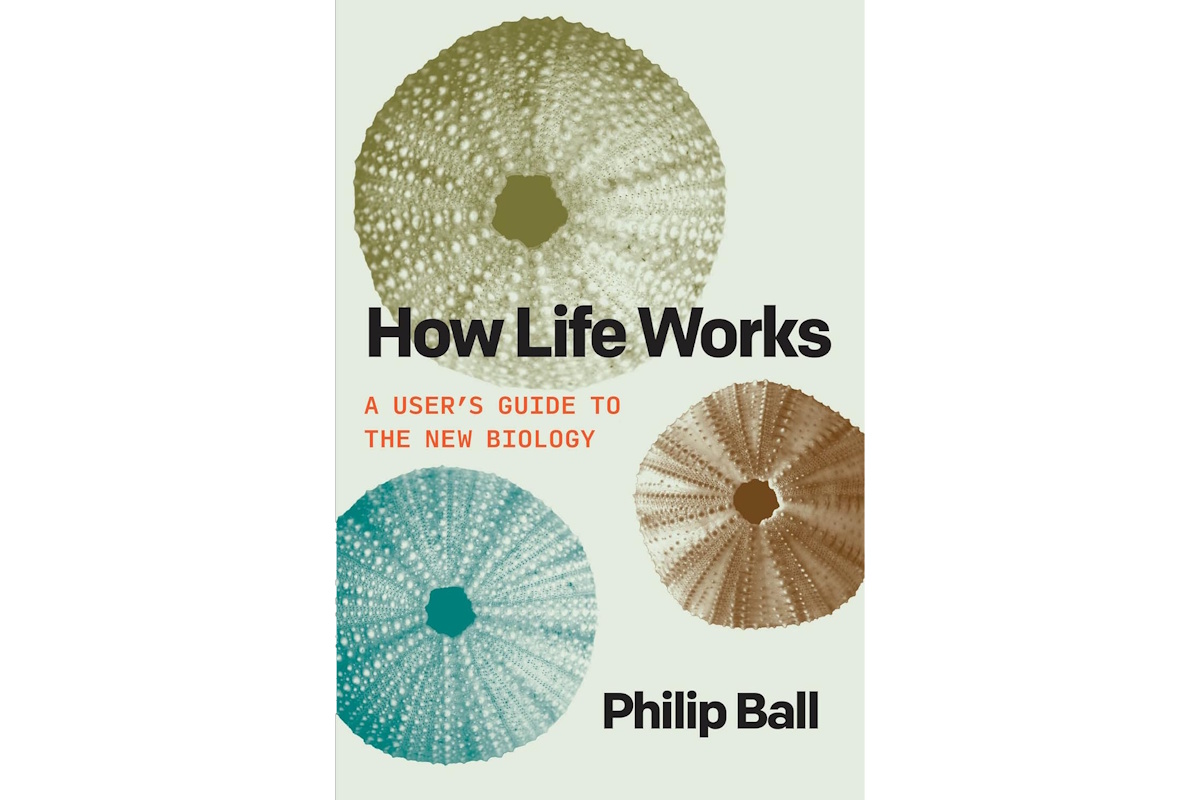
I’m feeling more than a little existential at the moment. Unfortunately, I don’t think there’s a cream for that. I was going to say, “Don’t worry, it’s not catching.” However, the more I think about what I’m about to tell you, the more I fear we might discover that it is. The idea that bumblebees shouldn’t be able to fly dates back to the 1930s. According to an oft-repeated anecdote, a French (it goes without saying) aerodynamicist supposedly calculated that a bumblebee’s wings were too small to support its body weight. It must have been more than a tad awkward that the little scamps continued to fly regardless. As we now know, the problem wasn’t with the bumblebees—it was with the French model he was using. His calculations treated bees like tiny airplanes with rigid wings, but bees don’t fly like airplanes. Although I’m not entirely sure how they learned to do this, bumblebees fly using unsteady aerodynamics (which really is a thing), a flight mechanism that’s very different from the steady airflow model used to describe airplane wings. I’ve been thinking a lot about life recently. This may be because, later this year, I’ll be celebrating the 23rd anniversary of the 23rd anniversary of my 23rd birthday. It’s not often you get to say that, which is why I’ll be saying it a lot in the weeks to come. Of course, the next problem is defining just what we mean by “life.” People struggle with this because life sits right at the intersection of biology, chemistry, and philosophy, and the boundary between “living” and “non-living” is surprisingly fuzzy. Most biology textbooks describe life using a set of characteristics, such as metabolism (the use of energy), growth, reproduction, evolution, and responses to stimuli. The trouble is that no single property defines life on its own, and many non-living systems exhibit one or more of them. A few classic, oft-touted examples include crystals (which grow but aren’t alive), fire (which consumes energy and spreads but isn’t considered living), and computers (which respond to stimuli but aren’t organisms). Some things sit awkwardly on the boundary between living and non-living. Viruses are the classic example because they contain genetic information, evolve, and reproduce, but only inside host cells. Outside a host cell, a virus is essentially an inert package of chemicals. Because of this, scientists still debate whether viruses are alive. Other strange edge cases include prions (infectious proteins), viroids (tiny RNA pathogens), and synthetic minimal cells, each of which pushes the boundary of what we mean by life. A wag once summarized the situation as follows: “We know life when we see it—except when we don’t,” and it’s hard to argue with logic like that. One argument that viruses aren’t alive is that they can’t generate everything they need to survive on their own. But this is a slippery slope. The concept of “self-sufficiency” isn’t sufficient unto itself (no pun intended) because many unquestionably living organisms depend on others for critical things. Even your humble narrator, who finds himself perched at the pinnacle of human evolution, is unable to self-synthesize things like vitamin C and the nine essential amino acids (lysine, tryptophan, methionine…), which bear the “essential” moniker because we must obtain them from food. This seems a tad unfair when plants and many microorganisms can synthesize them from scratch. At the very least, it would make sense for our bodies to enter into a mutually beneficial (symbiotic) relationship with bacteria to provide nutrients and metabolic functions that our own bodies cannot perform alone (like the one we have with bacteria like Bacteroides and E. coli that produces vitamin K, which is essential for blood clotting). Things become even more confusing when you realize that life appears to be an emergent behavior; that is, something that arises from a complex collection of chemical processes rather than from any single defining feature and without the need for an intelligent designer. Regarding the latter, evolution produces workable solutions, not perfect designs. For example, the human body doesn’t look like something designed on a clean sheet of paper. It looks more like a system that has been under continuous development for hundreds of millions of years, with “new improved model” features bolted on to old ones. Proponents of intelligent design often point to the eye as evidence that such a complex structure could not have evolved naturally. Personally, I find the opposite argument rather persuasive. In the human eye, the retina is “wired” in a way many engineers would consider suboptimal because light must pass through layers of neurons and blood vessels before reaching the photoreceptor cells (why would an intelligent designer do things this way?). By contrast, in animals like octopuses and squid, the photoreceptors face the incoming light and the “wiring” runs neatly behind them—an arrangement that looks decidedly more sensible. Bobby Henderson addressed all this much better than I can in his Open Letter to the Kansas School Board (2006), but we digress… For many moons, my go-to sources for mindboggling insights into life have been the books Wetware: A Computer in Every Living Cell by Dennis Bray and Life’s Ratchet: How Molecular Machines Extract Order from Chaos by Peter M Hoffmann. This latter tome makes a compelling case that the emergence of living order from lifeless chemistry is not miraculous, but rather it’s what happens when physics, chemistry, and evolution get enough time to play together. I’m also a fan of Imagined Life: A Speculative Scientific Journey among the Exoplanets in Search of Intelligent Aliens, Ice Creatures, and Supergravity Animals by James Trefil and Michael Summers. Well, I just added a new entry to the canon: How Life Works: A User’s Guide to the New Biology by Philip Ball. On the bright side, this book answers many of the hitherto unanswered questions I had. On the downside, it’s introduced a cornucopia of new conundrums that have left my brain wobbling wildly on its gimbals. Just to set the scene, DNA was first discovered by Friedrich Miescher in 1869, and its role as the carrier of genetic information was demonstrated by Oswald Avery and his colleagues in 1944. However, the famous double-helix structure of DNA was not determined until 1953 by James Watson and Francis Crick. Even then, it took another decade of research before scientists deciphered the “genetic code,” revealing how sequences of DNA specify the amino acids used to build proteins. Once it became clear that DNA contained instructions for building proteins, the metaphor of DNA as a “blueprint” or “instruction manual” became popular in science writing and textbooks. The idea was that (a) DNA contains coded instructions, (b) those instructions determine how cells build proteins, and (c) proteins then perform most cellular functions. But there’s a problem (isn’t there always?). Life (as we know it) is largely based on the generation and interaction of proteins. The human genome contains roughly 20,000 protein-encoding genes, and the proteins encoded by these genes serve as the tiny molecular machines that drive the chemistry of life. Ever since I first heard this, I visualized these proteins as tiny LEGO bricks. Now, 20,000 is not a small number, but it doesn’t seem sufficient to “build” something as awesome as… well, me. This isn’t helped by the fact that a banana has ~36,500 genes. Now, although I think we can all agree that bananas are an amusingly shaped fruit, knowing that they have close to twice as many genes as we do certainly makes me look at them from a different angle. And so we return to Philip Ball and his bodacious book. There’s so much I want to talk about here, but there’s far too much for one column, so I think the best way to proceed from this point is to boil a bunch of the Philip-inspired thoughts that are bouncing around my poor old noggin into a series of fabulous factoids as follows. Biologists often talk about the “genome,” which is the complete set of DNA in an organism. For humans, the genome contains about 3.2 billion DNA “letters” (nucleotides) arranged into 23 pairs of chromosomes. A useful companion term is the “phenotype,” which refers to the observable characteristics of an organism—everything from eye color and height to metabolism and behavior. Until recently, biologists might have said something like: “The genome contains the instructions, while the phenotype is the result of running those instructions, although the relationship between the two is far from straightforward.” By comparison, if I were to put words into Philip Balls’ mouth, he might say, “Who are you, and why are you putting words into my mouth?” Alternatively, if he were in a less grumpy mood, he might tell us, “The genome contains the instructions, while the phenotype is what happens when those instructions interact with the environment and with each other.” As we already noted, humans have about 20,000 protein-coding genes, but those genes occupy only about 1% to 2% of the genome. For many years, biologists referred to the rest as “junk DNA,” and this name stuck largely because scientists had no idea what most of it did. Today, we know that much of this non-coding DNA plays important roles in regulating gene activity, controlling when genes turn on and off, and shaping how organisms develop. In other words, much of the genome acts less like a parts list and more like a complicated control system. Proteins are the molecular machines that perform most of the work inside cells, but genes don’t produce proteins directly. The process involves a step called transcription, by which a segment of DNA is copied into messenger RNA (mRNA), and the mRNA is then used as the template for protein synthesis (i.e., “building” a protein). DNA stores information using four chemical “letters”: A, C, G, and T. These letters are read in groups of three, called codons. Each codon specifies one amino acid, the building block of proteins. A protein is essentially a long chain of amino acids assembled according to the sequence of codons in a gene. For a long time, scientists assumed that a single gene produced a single protein in a one-for-one fashion, but we now know that’s not what actually happens. Genes often contain sections called exons (coding segments) and introns (intervening segments that are removed). During transcription, the RNA copy can be spliced in different ways using a process called “alternative splicing.” Different combinations of exons can be joined together to produce different proteins from the same gene. Because of this, our ~20,000 protein-coding genes can produce well over 100,000 distinct proteins (possibly several hundred thousand when chemical modifications are included). Early models of evolution focused on small mutations, such as changing a single letter in DNA. These do occur, but modern biology suggests that evolution often works by rearranging larger chunks of genetic material. These chunks include exons, regulatory sequences, and entire genes. Mobile pieces of DNA called transposons (sometimes known as “jumping genes”) can move around the genome, reshuffling genetic information. This kind of rearrangement can produce new genetic combinations much faster than single-letter mutations. Perhaps the most important discovery of modern biology is that biological complexity depends less on the number of genes and more on how those genes are controlled. Genes are turned on and off by regulatory DNA elements such as promoters (where transcription begins), enhancers (regions that increase gene activity), and silencers or repressors (regions that reduce gene activity). These regulatory elements form networks that determine when, where, and how strongly a gene is expressed. In other words, they form a kind of biological control layer sitting on top of the protein-coding genes. Traditional evolutionary thinking imagined change as a slow accumulation of small genetic mutations. But modern research suggests that some major evolutionary transitions—such as the Cambrian explosion about 540 million years ago—may have been driven by expansions in gene regulatory networks. In particular, the emergence of Hox genes and other developmental regulators allowed organisms to control body plans in far more sophisticated ways. Instead of inventing entirely new proteins, evolution learned how to use existing proteins in new ways. Perhaps the most remarkable feat of biology is how a complex organism develops from a single fertilized cell. That first cell—the zygote—divides and keeps on dividing: 1 → 2 → 4 → 8 → 16 → … Initially, these cells are nearly identical. Over time, however, they begin to differentiate by activating different sets of genes. A skin cell, a nerve cell, and a muscle cell all contain the same DNA. What makes them different is which genes are turned on and off. Cells determine their roles by communicating with their neighbors. They exchange information using chemical signals (signaling molecules), mechanical forces, and electrical signals. One common mechanism involves “morphogen gradients,” in which a signaling molecule is released from one region of a developing tissue. Cells detect the concentration of the signal around them and, depending on that concentration, they activate different genes. In this way, cells can determine their position within a developing body. Many biological structures emerge naturally from these interacting signals. Just as physical systems tend toward low-energy configurations, biological development often converges on stable patterns. These processes help explain why organisms tend to produce consistent structures such as two arms, two legs, five fingers, and predictable arrangements of bones. The final form of an organism is therefore not explicitly encoded in DNA like a blueprint. Instead, it emerges from networks of interacting genes, proteins, and cells. The upshot of all this is that DNA does not function like a traditional engineering blueprint. Rather, it behaves more like a program running on a massively parallel biological computer, where the final outcome emerges from countless interacting control loops, with a healthy dose of random “noise” thrown in for good measure, as molecules bump into each other, reactions fluctuate, and genes switch on and off in slightly unpredictable ways. As someone who has spent a large part of his career designing and analyzing complex control systems, I find all of this to be both astonishing and disturbing. If I were asked to design a system composed of billions of components interacting through countless feedback loops, riddled with stochastic noise, and operating without anything resembling a central controller, I’d probably declare the project infeasible. And yet biology does exactly that, somehow resulting in wondrous creations like bumblebees, bananas, and people. All of which leads me to a slightly uncomfortable conclusion: just as the mathematicians once proved that bumblebees couldn’t possibly fly, the control engineer in me feels obliged to point out that humans cannot possibly exist. The awkward thing, of course, is that we clearly do. Related

来源:EEJournal发布时间:2026-03-05
“十五五”规划纲要草案明确:全面推进常住地提供基本公共服务

2026年3月5日,新华社受权发布《中华人民共和国国民经济和社会发展第十五个五年规划纲要(草案)》(简称《纲要(草案)》)摘要。其中提出,全面推进常住地提供基本公共服务。 在稳步推进基本公共服务均等化方面,《纲要(草案)》提出,增强基本公共服务均衡性和可及性,推动基本公共服务均等化取得更为明显的实质性进展,建立基本公共服务均等化制度体系。 2021年12月召开的中央经济工作会议曾提出,健全常住地提供基本公共服务制度。2024年7月,《中共中央关于进一步全面深化改革、推进中国式现代化的决定》(简称《决定》)发布。在完善城乡融合发展体制机制方面,文件首次正式提出“推行由常住地登记户口提供基本公共服务制度”。 常住地应提供哪些公共服务?《决定》对此进行列举,“推动符合条件的农业转移人口社会保险、住房保障、随迁子女义务教育等享有同迁入地户籍人口同等权利”。《决定》还明确,要健全灵活就业人员、农民工、新就业形态人员社保制度;全面取消在就业地参保户籍限制。 经济学家高善文当时指出,如果该项政策完全落实,意味着没有本地户口但有居住证的人,在子女上学、参加高考、基本医疗、社会保障、住房保障等方面(待遇)跟本地居民一样。 同样在2024年7月,国务院印发《深入实施以人为本的新型城镇化战略五年行动计划》提出,健全常住地提供基本公共服务制度。把握人口流动客观规律,推动相关公共服务随人走。各地区在动态调整基本公共服务配套标准时,要增加常住人口可享有的基本公共服务项目,按照常住人口规模优化基本公共服务设施布局。推进居住证与身份证功能衔接,健全以公民身份号码为标识、与居住年限相挂钩的非户籍人口基本公共服务提供机制,稳步实现基本公共服务由常住地供给、覆盖全部常住人口。 2025年6月,央视新闻曾引述专家观点介绍,2024年我国城镇常住人口占总人口比重已经达到67%,而城镇户籍人口比重只有50%左右。如果基本公共服务仅由户籍地提供,就意味着近3亿人口不能在常住地平等享受到与该地户籍人口均等的基本公共服务。 为此,2026年1月9日,国务院召开新年首场常务会议。此次会议的重要议题之一是,研究推行常住地提供基本公共服务有关工作。会议指出,要着力解决未落户常住人口急难愁盼问题,完善随迁子女教育政策,扩大公租房保障范围,健全就业地参加职工社会保险制度,加强常住地基本医疗保障,强化就业服务,完善兜底性公共服务,让他们更好融入城市。要科学有序、因地制宜推进各项举措,构建适应公共服务随人走的政策支撑和要素保障体系,按照常住人口布局公共服务设施,加强服务事项协同经办,不断完善有利于流动人口连续享有基本公共服务的共建共享政策。 此前,国家发改委曾介绍,国家基本公共服务现行标准规定的81项服务项目中,幼有所育10项、学有所教9项、劳有所得12项、病有所医16项、老有所养4项、住有所居3项、弱有所扶14项等,这81项目前已经有62项实现了常住地提供,剩余的就是下一步需要攻坚的。 国家发改委副秘书长肖渭明2025年6月在国新办新闻发布会上表示,“下一步,国家发改委将按照党中央、国务院决策部署,会同有关部门在认真总结各地经验的基础上,全面推行常住地提供基本公共服务制度,以人口集中流入地城市为重点,推动‘一城一策’制定实施办法,让符合条件的农业转移人口享有同迁入地户籍人口同等权利。”

来源:界面新闻翟瑞民发布时间:2026-03-05
共73058条记录
  • 1
  • 2
  • 3
  • 4
  • 6089

产业专题

产业大脑平台

产业经济-监测、分析、

研判、预警

数智招商平台

找方向、找目标、管过程

产业数据库

产业链 200+

产业环节 10000+

产业数据 100亿+

企业数据库

工商 司法 专利

信用 风险 产品

招投标 投融资

报告撰写AI智能体

分钟级生成各类型报告